26 Best Sewing Projects to Sew & Sell

If you know how to sew, even just the basics, you’re sitting on a skill that can turn into real extra income. The great thing about sewing is that you don’t need a massive workshop or expensive equipment to get started. A lot of profitable sewing projects need only a simple sewing machine, some affordable fabric, and a bit of creativity.
The best-selling sewing projects are usually the simplest ones too. People love handmade items because they feel unique, personal, and often just better made than something mass produced. Small items also happen to be cheaper to ship, easier to make in batches, and don’t eat through a ton of fabric.
Whether you’re thinking about selling on Etsy, at local craft fairs, Facebook Marketplace, or to friends and family, these sewing projects are beginner friendly and have proven demand behind them.
Table of Contents
Let’s get into some of the easiest sewing projects you can make and sell for profit.
1. Scrunchies
Scrunchies are honestly one of the easiest sewing projects for beginners out there. They take a few minutes each and barely use any fabric. You can sew them from cotton, velvet, satin, flannel, linen, or even leftover scraps that would otherwise just get tossed.
People often buy scrunchies in sets rather than just picking up one, which helps push up your average sale. Try seasonal collections, floral prints, neutral tones, holiday themed designs, or matching mother and daughter sets. Packaging them with a simple paper tag or a bit of ribbon also makes them feel a lot more gift worthy.
2. Reusable Makeup Remover Pads
Reusable makeup remover pads have taken off because so many people want to cut down on waste and save a bit of money along the way. Instead of throwing out disposable cotton rounds every single day, buyers can wash and reuse these fabric pads hundreds of times over.
Most sellers work with soft cotton, bamboo terry, or flannel for these. They’re usually sold in bundles of 8, 10, or 12, often with a small drawstring laundry bag thrown in too. Since they use such tiny pieces of fabric, they’re also a great way to use up leftovers from bigger projects.
3. Sewn Tote Bags
Simple tote bags never go out of style. People use them for grocery runs, library books, beach trips, school, and just general errands. With reusable bags becoming more popular over the years, handmade totes keep selling steadily.
You can keep the design basic or add pockets, boxed corners, zippers, or interesting fabric combinations. A lot of sellers also personalize their totes with embroidery, fabric appliqué, or heat transfer vinyl to make each one feels a bit more special and one of a kind.

4. Zipper Pouches
Small zipper pouches are useful, which is exactly why they keep selling well both online and at craft markets. Buyers use them to organize makeup, pens, coins, charging cables, travel toiletries, sewing supplies, or all sorts of small accessories.
Installing a zipper can feel intimidating the first few times, but it’s honestly a skill that gets a lot easier with practice. Once you’ve got the process down, you can churn out pouches in different sizes using colourful cotton prints, canvas, cork fabric, or quilted fabric.
5. Fabric Bookmarks
Fabric bookmarks are simple, cheap, and quick to make. They appeal to readers, students, teachers, and honestly anyone looking for a small thoughtful gift. Since they barely use any fabric, they’re another great project for using up scraps.
Some sellers add decorative stitching, tassels, ribbons, or even embroidered quotes to make their bookmarks stand out from the crowd. They also pair really nicely with handmade journals or books, making them an easy upsell at craft fairs.
6. Sewn Bowl Cosies
Microwave bowl cosies have become one of the most popular handmade kitchen items around. These fabric holders wrap around bowls and protect your hands when pulling hot food out of the microwave. They also help keep the bowl steady while you’re eating.
When you’re making bowl cosies, it’s important to stick with microwave safe materials, that means 100% cotton fabric, cotton batting, and cotton thread throughout. A lot of buyers pick up several at once so every family member ends up with their own matching cosy.
7. Fabric Coasters
Fabric coasters are practical little home items that almost everyone ends up using. They protect tables from water rings and hot mugs while adding a nice decorative touch to a room at the same time.
These are beginner friendly since they mostly involve straight sewing. A lot of sellers put together matching coaster sets with a small fabric storage basket, which lets them charge more than they would selling individual coasters on their own.
8. Baby Bibs
Handmade baby bibs are in demand simply because new babies are born every single day. Parents often end up with several bibs as gifts, and a lot of them prefer soft handmade options over the mass-produced ones.
Cotton fabric paired with absorbent terry cloth or flannel works really well here. Cute animal prints, pastel colours, and seasonal themes tend to be especially popular. Since babies go through multiple bibs a day, customers often buy several at once rather than just one.
9. Rice Heating Pads
Rice heating pads are simple fabric pillows filled with uncooked rice. Pop them in the microwave and they’re great for soothing sore muscles, neck pain, or cold hands during winter.
A lot of people also like adding dried lavender for a relaxing scent. Just make sure you include clear heating instructions with every sale so buyers know exactly how to use them safely. Nice cotton prints and thoughtful gift packaging can also turn these into popular holiday sellers.
10. Cloth Napkins
More families are switching over to reusable cloth napkins these days, both to cut down on waste and save money over time. Handmade cloth napkins are also popular for weddings, dinner parties, holiday gatherings, and farmhouse style home decor.
These are one of the easier sewing projects since they mostly just need straight hems and neat corners. Selling them as coordinated sets of four, six, or eight tends to increase their value and makes them feel more like a proper gift.
11. Dog Bandanas
Pet owners love buying accessories for their dogs, and bandanas remain one of the easiest products to make for them. They use very little fabric, sew together fast, and come in basically endless patterns and colours.
Seasonal designs tend to sell especially well here, think Christmas, Halloween, Valentine’s Day, birthdays, or patriotic prints. Offering a few different sizes for small, medium, and large dogs also helps you reach a wider range of customers.
12. Fabric Key Fobs
Fabric key fobs are small wrist straps that hold your keys, making them a lot easier to carry while shopping, walking, or just running errands. They’re practical, cheap to make, and great impulse purchases.
These only need narrow strips of fabric, some interfacing, and hardware like key rings or swivel clasps. Bright colours, floral prints, and personalized initials can all help your key fobs stand out from whatever else is on the table at a craft fair.
13. Hanging Kitchen Towels
Hanging kitchen towels are a favorite at craft fairs because they’re both useful and affordable. Unlike regular towels that just slide right off the oven handle, these have a fabric topper with a button, snap, or hook and loop closure that keeps everything securely in place.
They’re really easy to customize with seasonal prints, farmhouse fabrics, or holiday themes. A lot of customers buy more than one so they can swap them out across different seasons or give them as gifts. They pair nicely with oven mitts, bowl cosies, or pot holders too if you want to build out a whole matching kitchen gift set.
14. Reusable Snack Bags
Reusable snack bags are becoming more popular as families look for simple ways to cut back on single use plastic bags. They’re great for packing crackers, fruit, sandwiches, or other dry snacks for school, work, or travel.
Most reusable snack bags use cotton fabric on the outside with a food safe, wipeable lining on the inside. A zipper or hook and loop closure keeps everything secure. Selling them in matching sets of different sizes gives buyers more value and can bump up your profits.
15. Eyeglass Cases
Soft fabric eyeglass cases are practical for protecting glasses from scratches inside a purse, backpack, or desk drawer. They’re quick to sew and don’t need much fabric.
You can make simple slip in sleeves or padded cases with snaps, magnetic closures, or zippers. Bright prints, floral fabrics, and more masculine designs help you appeal to a wider range of buyers. These also make thoughtful handmade gifts for readers, students, and older adults.
16. Pencil Pouches
Pencil pouches aren’t just for students, honestly. Teachers, artists, crafters, and office workers all use them to organize pens, markers, scissors, crochet hooks, makeup brushes, and all sorts of other small supplies.
A basic zippered pouch is simple once you’ve learned how to sew in a zipper. Offering a range of sizes helps attract more buyers, smaller pouches work well for pencils while bigger versions can hold notebooks, craft supplies, or travel essentials.
17. Pot Holders
Handmade pot holders are among those classic sewing projects people keep buying year after year without fail. They protect your hands from hot cookware while adding a bit of colour and personality to the kitchen at the same time.
For safety, use heat resistant cotton batting along with 100% cotton fabric and thread. Decorative quilting, contrasting binding, and seasonal prints can help your pot holders stand out. A lot of sellers bundle them with matching oven mitts or hanging towels to build attractive kitchen gift sets.
18. Simple Aprons
Aprons are useful for cooking, baking, gardening, crafting, and even pottery. A simple apron with adjustable neck straps and big front pockets is manageable enough for confident beginners to tackle.
Neutral linen style fabrics, farmhouse prints, and floral cottons are all popular choices here. Children’s aprons sell well too, especially paired with matching adult ones for parent and child baking or cooking sessions. Personalized embroidery can make these feel even more special as a gift.
19. Baby Burp Cloths
New parents go through dozens of burp cloths a week, which makes these a product with steady, reliable demand. Handmade burp cloths tend to be softer than a lot of store-bought versions and often hold up better after repeated washing too.
Cotton fabric paired with absorbent terry cloth or cloth diapers works especially well here. Cute animal prints, pastel colours, and gender-neutral designs are popular choices. Selling them as matching gift sets alongside baby bibs can encourage customers to spend more per order.
20. Fabric Tissue Holders
Pocket tissue holders are small fabric covers designed to hold those travel size tissue packs. They keep the tissues clean while making an otherwise pretty boring tissue pack look a lot nicer sitting inside a purse, backpack, or car.
These sew up fast and use barely any fabric, making them perfect for using up scraps. Since they’re so inexpensive, they tend to be impulse purchases at craft fairs and make great stocking stuffers or teacher appreciation gifts.
21. Quilted Mug Rugs
A mug rug is basically a mini placemat designed to hold a coffee mug along with a cookie, snack, or spoon. They’re bigger than a coaster but a lot smaller than a placemat, which makes them both decorative and practical.
Quilted mug rugs let you get properly creative with patchwork, decorative stitching, and fun fabric combinations. Coffee lovers enjoy collecting these, especially seasonal designs for fall, Christmas, or spring. They also make thoughtful little handmade gifts.
22. Fabric Storage Baskets
Fabric storage baskets help organize everything from craft supplies and baby toys to cosmetics, keys, remote controls, and office supplies. They’re useful in almost every room of the house.
Heavy cotton canvas, denim, or quilted cotton combined with interfacing helps the baskets stand upright on their own. Offering several sizes lets customers mix and match to their needs. Neutral colours fit modern homes nicely, while colourful prints appeal more to kids’ rooms and craft spaces.
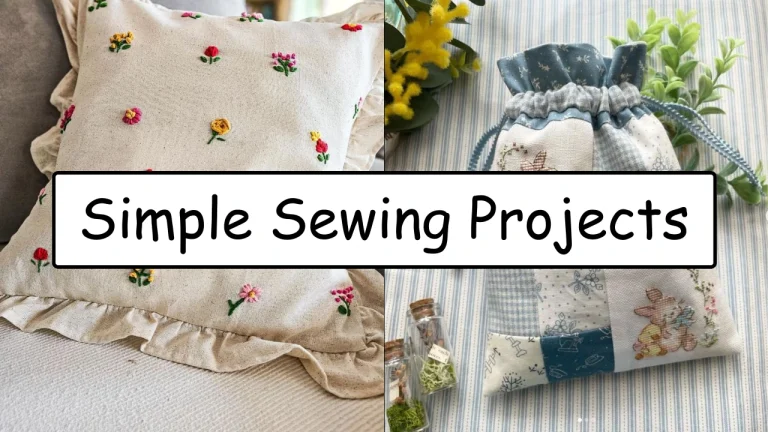
23. Throw Pillow Covers
Throw pillow covers are a great sewing project because customers get to reuse the pillow insert, they already own. Instead of buying a whole new pillow, they just swap the cover whenever they want a fresh look in the room.
Envelope style pillow covers are especially beginner friendly since they don’t require a zipper at all. Seasonal patterns, farmhouse fabrics, holiday prints, and modern neutral colours all sell well. A lot of homeowners buy multiple covers throughout the year just to redecorate for different seasons.
24. Drawstring Gift Bags
Reusable fabric gift bags are becoming a popular alternative to disposable wrapping paper. Instead of throwing wrapping paper straight in the bin after one use, these bags can be reused year after year.
They’re quick to sew and work nicely in several sizes. Small bags are perfect for jewellery and candles, while larger ones fit clothing, books, or toys comfortably. Holiday fabrics, birthday prints, and elegant neutral colours all have strong selling potential during gift giving seasons.
25. Travel Shoe Bags
Travel shoe bags help keep dirty shoes separate from clean clothes inside a suitcase. A lot of travellers also use them to organize sandals, slippers, gym shoes, or kids’ footwear while packing.
A simple drawstring closure makes these easy to sew, even for beginners. Water resistant or durable cotton fabrics work especially well here. You can also put together matching travel sets with toiletry bags or laundry bags to bump up your average order value.
26. Reusable Produce Bags

Reusable produce bags are lightweight fabric bags used for carrying fruits and vegetables while grocery shopping. They’re washable, reusable, and help cut down on disposable plastic produce bags.
Mesh fabric or lightweight cotton works really well here since shoppers can easily see what’s inside. Drawstring closures keep the produce secure while still allowing quick access at the checkout. Since environmentally friendly products keep growing in popularity, these bags can attract buyers who are specifically after simple, sustainable alternatives.
Tips for Selling Your Sewing Projects
Making beautiful products is honestly only part of the process. To get consistent sales, you also need to present things well and price them properly.
Start by picking just a few projects rather than trying to make everything on this list at once. Making several of the same item helps you work faster, use your materials more efficiently, and build a recognizable product line that people start to associate with you.
Take clear, well-lit photos using natural daylight whenever you can. Show your products being used so buyers can easily picture the size and purpose. Photograph a tote bag being carried, a bowl cosy holding an actual soup bowl, or a pillow cover styled on a couch, that kind of thing helps sales.
Don’t skip calculating all your costs before you set a price either. Include fabric, thread, batting, zippers, buttons, packaging, marketplace fees, and the value of your own time too. A lot of beginners only charge for materials and end up earning almost nothing for the actual work involved.
And finally, pay attention to what customers are asking for. If a certain fabric pattern, colour, or size keeps selling well, make more of it. Listening to your buyers is honestly one of the easiest ways to grow a handmade sewing business over time.
Final Thoughts
You don’t need advanced sewing skills to start making money from handmade products. A lot of the best-selling items are small, practical, and easy enough for beginners to make using pretty basic sewing techniques.
The real key is focusing on products that solve everyday problems or just make life a little easier. Items like tote bags, zipper pouches, bowl cosies, baby bibs, and reusable kitchen products keep selling because people use them in their daily lives.
Start with one or two projects, practice until your quality feels consistent, and gradually expand your product line from there. With a bit of patience, decent craftsmanship, and some creativity, your sewing hobby can grow into a rewarding side hustle, or even a full time business somewhere down the line.