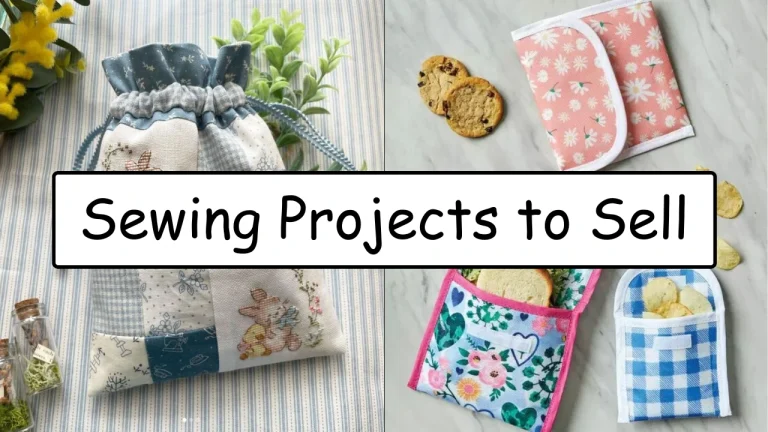
21 Simple Sewing Projects for Beginners That are Super Easy & Fun to Sew

Learning how to sew is intimidating at first. You look at those beautiful handmade bags, quilts, clothes, and pieces of home decor online and wonder if you’ll ever make something like that. The good news is you don’t have to start with anything difficult.
In fact, most experienced sewists will tell you to start small and simple, with items that teach you the actual basics. You’ll learn how to sew straight lines, turn corners, press seams, and get comfortable with your sewing machine without ever feeling overwhelmed by the process.
The best part is that a lot of beginner sewing projects are useful too. Instead of making something that just sits in a drawer, you can create things you’ll actually use every day, give as gifts, or even sell at local craft fairs and online. If you’re just getting started, here are some of the easiest sewing projects worth trying first.
Table of Contents
1. Simple Pillow Cover
A pillow cover is among the easiest sewing projects you can make. Since it mostly involves sewing straight lines, it’s perfect for practicing basic machine sewing.
You can make covers for your living room, bedroom, patio furniture, or even for holiday decorating. Just choose a fabric you like, cut two squares or rectangles, sew around the edges, and leave an opening for the pillow insert, or go with an envelope style back instead.
Once you make one, you’ll probably want to make several more because they’re quick, affordable, and quickly change how a room feels.
2. Fabric Tote Bag
A basic tote bag is a classic for beginners. Everyone can use an extra shopping bag, library bag, beach bag, or grocery tote, which makes this project practical and reusable.
You’ll practice sewing long straight seams, attaching handles, and reinforcing the stress points so the bag actually holds up over time. As your confidence grows, you can start experimenting with different fabrics, pockets, boxed corners, or decorative labels to make your bags feel more personal.
3. Reusable Cloth Napkins
Reusable cloth napkins are simple to sew. Cut fabric into squares with neatly finished edges. They’re a great way to practice sewing evenly around corners.
Cotton, linen, or cotton blends work especially well here since they’re washable and hold up after years. A lot of people also sew matching sets of these as housewarming gifts or holiday presents.
4. Fabric Bookmarks
If you’re after a project that takes less than 30 minutes, fabric bookmarks are a great choice. They’re small, barely use any fabric, and are perfect for working through leftover scraps from bigger projects.
Make simple rectangle bookmarks, quilted versions, or add decorative ribbon, lace, or tassels for a bit of flair. These also sell well at school events, bookstores, and craft fairs since they’re cheap to buy but useful to own.
5. Drawstring Gift Bag
Instead of buying disposable gift bags year after year, sew your own reusable drawstring versions instead. They’re simple enough for beginners while still teaching useful skills, like making a casing for the drawstring itself.
Create different sizes for birthdays, Christmas, baby showers, or party favours. Cotton fabric works well here, but seasonal prints make these even more fun to reuse year after year.
6. Fabric Coasters
Fabric coasters are quick, practical, and beginner friendly. Most are made by sewing two pieces of fabric together with batting or interfacing sandwiched in the middle to help absorb moisture and protect furniture.
Since they’re small, they don’t need much fabric, which makes them perfect for using up scraps. A matching coaster set also makes a thoughtful handmade gift.
7. Scrunchies
Scrunchies remain one of the most popular beginner sewing projects around, and for good reason. They’re fast to make, only need small pieces of fabric, and help beginners learn how to sew a narrow tube and then insert elastic through it.
Make them from cotton, satin, velvet, linen, or flannel depending on the look you’re going for. A lot of handmade sellers create matching scrunchie sets too since they’re affordable and always in demand.
8. Reusable Bowl Covers
Fabric bowl covers are becoming popular as people look for reusable alternatives to plastic wrap. These fit over mixing bowls, serving dishes, and leftover containers using elastic sewn around the edges.
They’re simple to make with basic sewing techniques. They also make a great eco-friendly gift for anyone trying to cut down on kitchen waste.
9. Simple Zipper Pouch
A zipper pouch might sound intimidating, but a lot of beginner friendly patterns make the process surprisingly manageable. You’ll learn one important new skill here, installing a zipper, which opens the door to a lot of future sewing projects.
These pouches are useful for storing makeup, stationery, sewing supplies, charging cables, coins, or travel essentials. Once you’ve got the basic version down, you can easily start making different sizes and styles.
10. Fabric Keychain Wristlet
A fabric keychain wristlet is small but incredibly useful. It lets you carry your keys comfortably around your wrist while shopping, walking the dog, or running errands.
This project helps beginners practice folding fabric, sewing narrow strips, and attaching hardware like key rings or lobster clasps. They’re also popular handmade products since people often buy several in different colours and patterns at once.
11. Basic Apron
A simple apron is a fun project that you’ll actually use in the kitchen, garden, or craft room. Most beginner apron patterns only need straight seams, simple straps, and a basic hem, making them a lot easier than sewing actual clothing.
Choose a durable cotton fabric that washes easily, especially if you’re planning to wear it while cooking or baking. You can also personalize your apron with a front pocket or by using printed fabric that matches your style.
12. Reversible Fabric Headband
A fabric headband is another excellent beginner project since it’s quick, useful, and barely uses any fabric. A simple reversible headband gives you two different looks in one, use two coordinating fabrics and flip it inside out whenever you want a change.
Most headbands only need a few straight seams and a small piece of elastic at the back for a comfortable fit. They’re great for keeping hair out of your face while cooking, exercising, gardening, or doing your skincare routine.
13. Microwave Bowl Cosy
A microwave bowl cosy is one of those sewing projects that people discover and then wonder how they ever lived without it. It fits around a bowl and protects your hands when pulling hot food out of the microwave, and makes holding a warm bowl of soup or oatmeal considerably more comfortable.
This project introduces beginners to sewing simple curved seams and quilting layers together. Just make sure to use 100% cotton fabric, cotton batting, and cotton thread if the cosy is actually going in the microwave.
14. Reusable Snack Bag
Reusable snack bags are a practical alternative to disposable plastic bags. They’re perfect for packing crackers, sandwiches, fruit, cookies, or other snacks for school, work, or road trips. A lot of people also use them to organize small items inside backpacks and handbags.
Most beginner versions close with hook and loop tape, snaps, or a zipper. They wash easily and can be reused hundreds of times, making them an eco-friendly project that people actually use.
15. Fabric Basket

Soft fabric baskets are perfect for organizing almost every room in your home. Use them to store sewing supplies, baby items, makeup, toys, remote controls, office supplies, or bathroom essentials. They’re attractive, lightweight, and easy to customize with different fabrics.
Although they look pretty impressive once finished, they’re surprisingly beginner friendly. You’ll mainly be sewing straight seams and using interfacing to help the basket hold its shape.
16. Table Runner
A table runner is a simple way to decorate your dining table without having to sew an entire tablecloth. It’s mostly made from long straight pieces of fabric, which makes it ideal for beginners looking to sharpen their cutting and sewing accuracy.
Make one for everyday use or sew seasonal versions for Christmas, Thanksgiving, Easter, Halloween, or birthdays. Matching placemats can be added later on too once you’re feeling more confident.
17. Simple Placemats
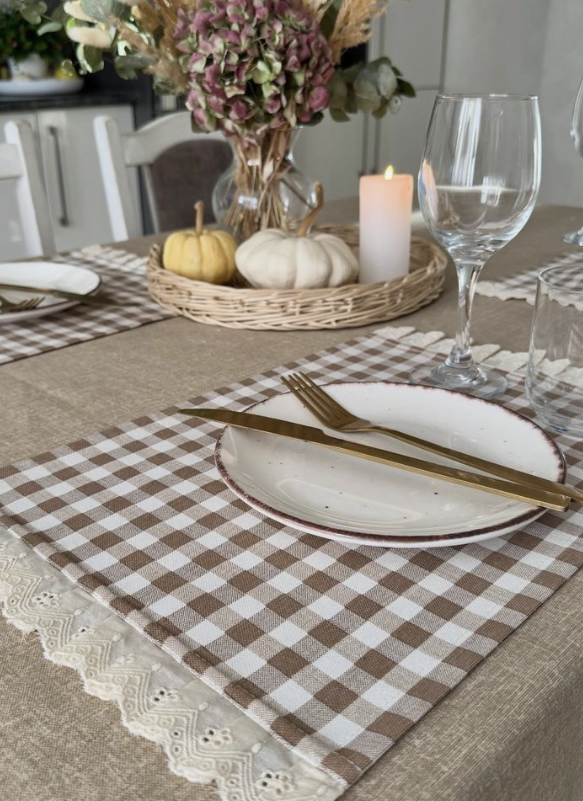
Placemats are another easy home decor project that’s great for practicing straight stitching. Each one is usually made by sewing two fabric pieces together with batting in between, then turning it right side out and topstitching around the edges.
Since you’ll likely be making several matching placemats at once, you’ll naturally get faster and more consistent with each one you finish. They also make wonderful handmade gifts for weddings, housewarmings, and holidays.
18. Baby Burp Cloths
If you’re sewing for family or friends with young kids, baby burp cloths are an excellent beginner project. They’re quick to make, only need basic sewing skills, and are honestly useful for any new parent.
Soft cotton, muslin, or terry cloth fabrics are commonly used since they’re gentle on a baby’s skin and absorb moisture really well.
A matching set of burp cloths paired with bibs or a baby blanket also makes a thoughtful baby shower gift.
19. Pet Bandana
Don’t forget your furry family members either. A simple pet bandana is one of the easiest sewing projects you can knock out in an afternoon. Most designs just slide over a pet’s collar or tie around the neck directly.
Make different sizes for cats and dogs, and choose seasonal fabrics for holidays, birthdays, or just everyday wear. Since they barely use any fabric, they’re also a great way to use up leftovers from bigger projects.
20. Envelope Cushion Cover

If you’ve already made a basic pillow cover, an envelope style cushion cover is a great next step to try. Instead of a zipper, overlapping fabric panels on the back create an opening that lets you easily remove the cushion for washing.
The construction is simple, but the finished result still looks neat and professional. A lot of home decorators make several envelope covers throughout the year so they can easily switch up their seasonal decor without buying entirely new pillows.
21. Simple Fabric Bunting Banner
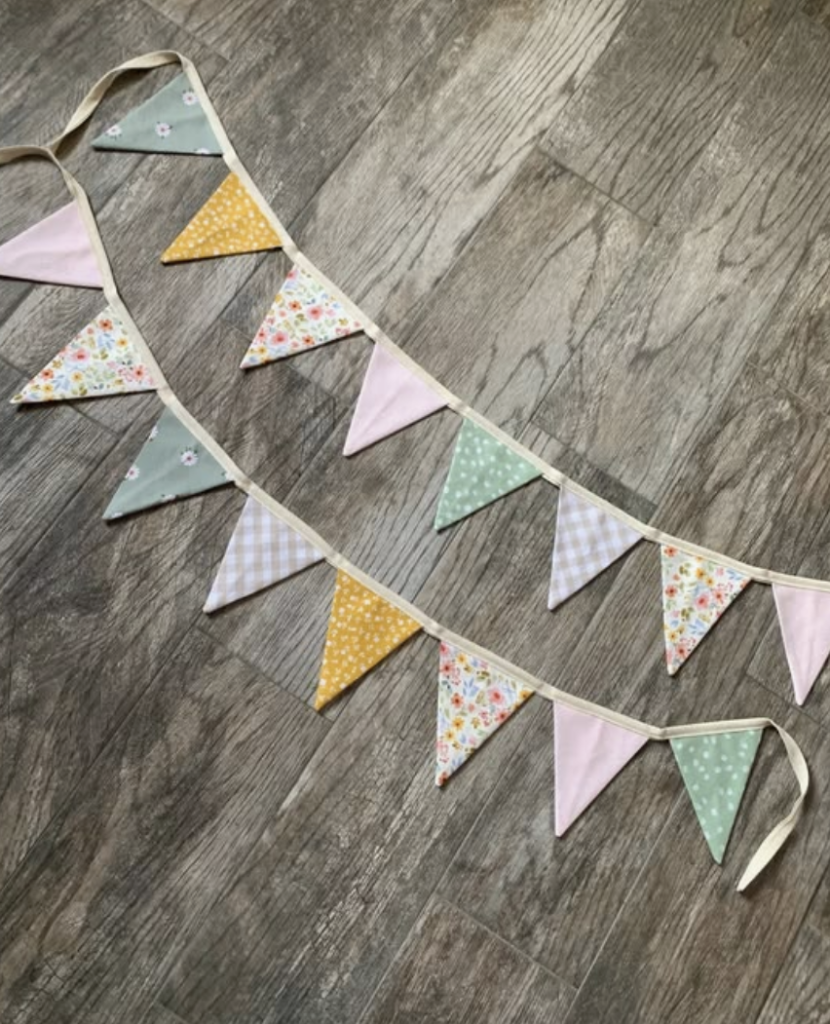
Fabric bunting banners add a handmade touch to parties, nurseries, craft rooms, patios, and holiday decorating. Each banner is made by sewing together small fabric triangles or flag shapes and attaching them to bias tape or ribbon.
This project helps beginners practice sewing around corners while working with small fabric pieces. It’s also an excellent scrap busting project since you can mix different colours and prints together for a cheerful finished look.
Tips for Choosing Your First Sewing Project
If you’re buying your first sewing machine or just learning how to use one, choose projects that focus on straight seams before you move on to anything more complicated.
Start with stable woven cotton fabric whenever you can. Cotton is easy to cut, easy to pin, and doesn’t stretch while you’re sewing, which makes it a lot more forgiving than knit fabrics for a beginner.
Don’t stress about making everything perfect on your first attempt either. Every project teaches you something new, whether that’s cutting fabric more accurately, sewing straighter lines, or pressing your seams properly.
It’s also worth spending a few extra minutes ironing your fabric before you cut it. Wrinkled fabric can throw off your measurements, and pressing your seams as you go helps every finished project look considerably cleaner and more professional.
And finally, save your fabric scraps instead of tossing them out. Small leftover pieces are perfect for future projects like scrunchies, bookmarks, coasters, key fobs, and plenty of other beginner friendly items.
Final Thoughts
Learning to sew doesn’t have to be difficult. The one easiest way to build real confidence is by completing small projects that teach you one skill at a time. Whether you start with a simple pillow cover, a reusable tote bag, a scrunchie, or a zipper pouch, every finished project helps you get more comfortable with your sewing machine.
Before long, you’ll have the skills to move on to bigger home decor projects, handmade gifts, actual clothing, and even items you can sell for a bit of extra income. The most important thing is just to start. Pick one project from this list, gather your supplies, and enjoy the process. Every experienced sewist was a beginner once too.